
 EUREuro
 GBPBritish Pound
 AUDAustralian Dollar
- WhatsApp:+86-19892834301
- Email: automantool@hotmail.com
- Skype:autoobdtop

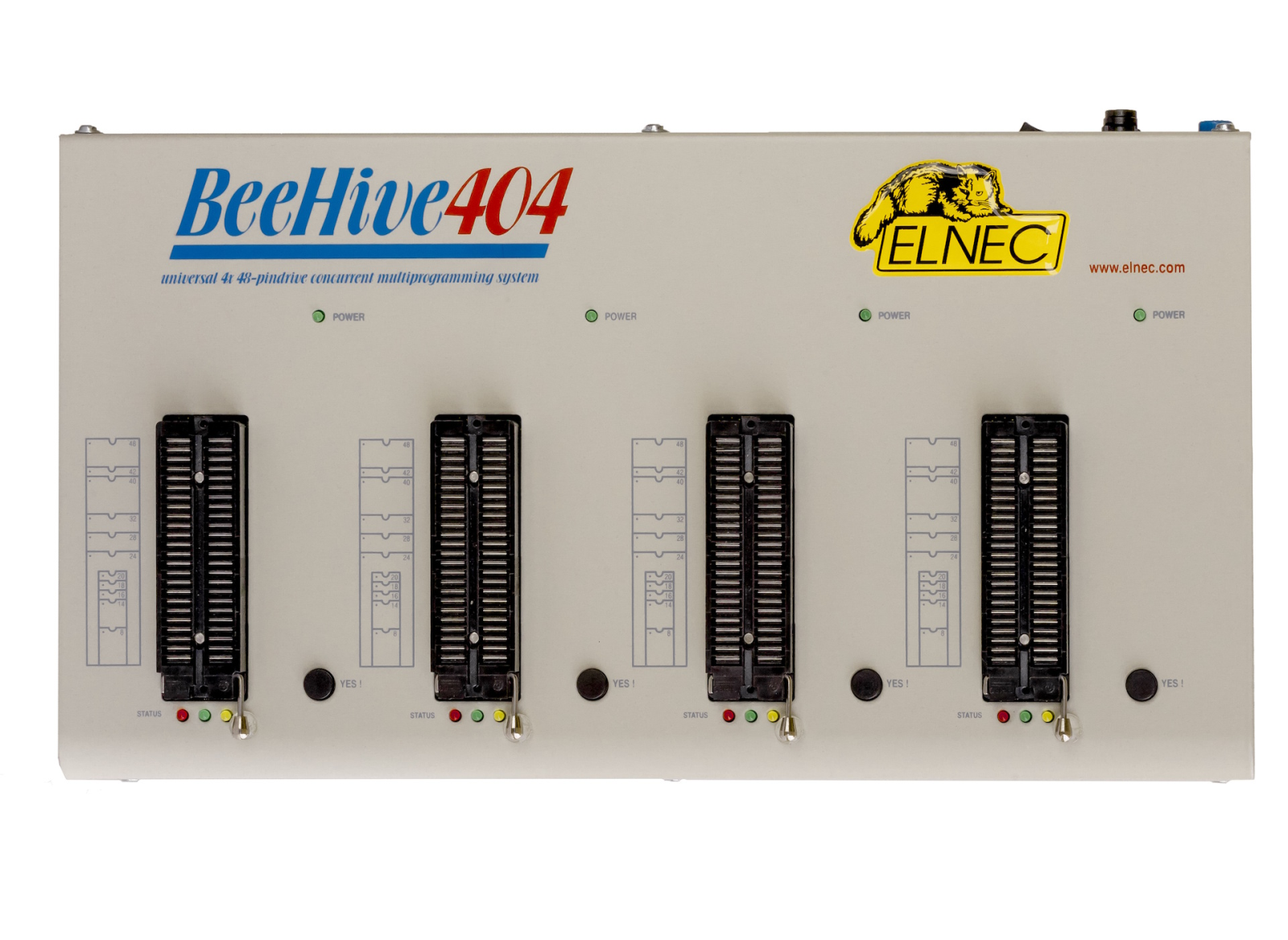
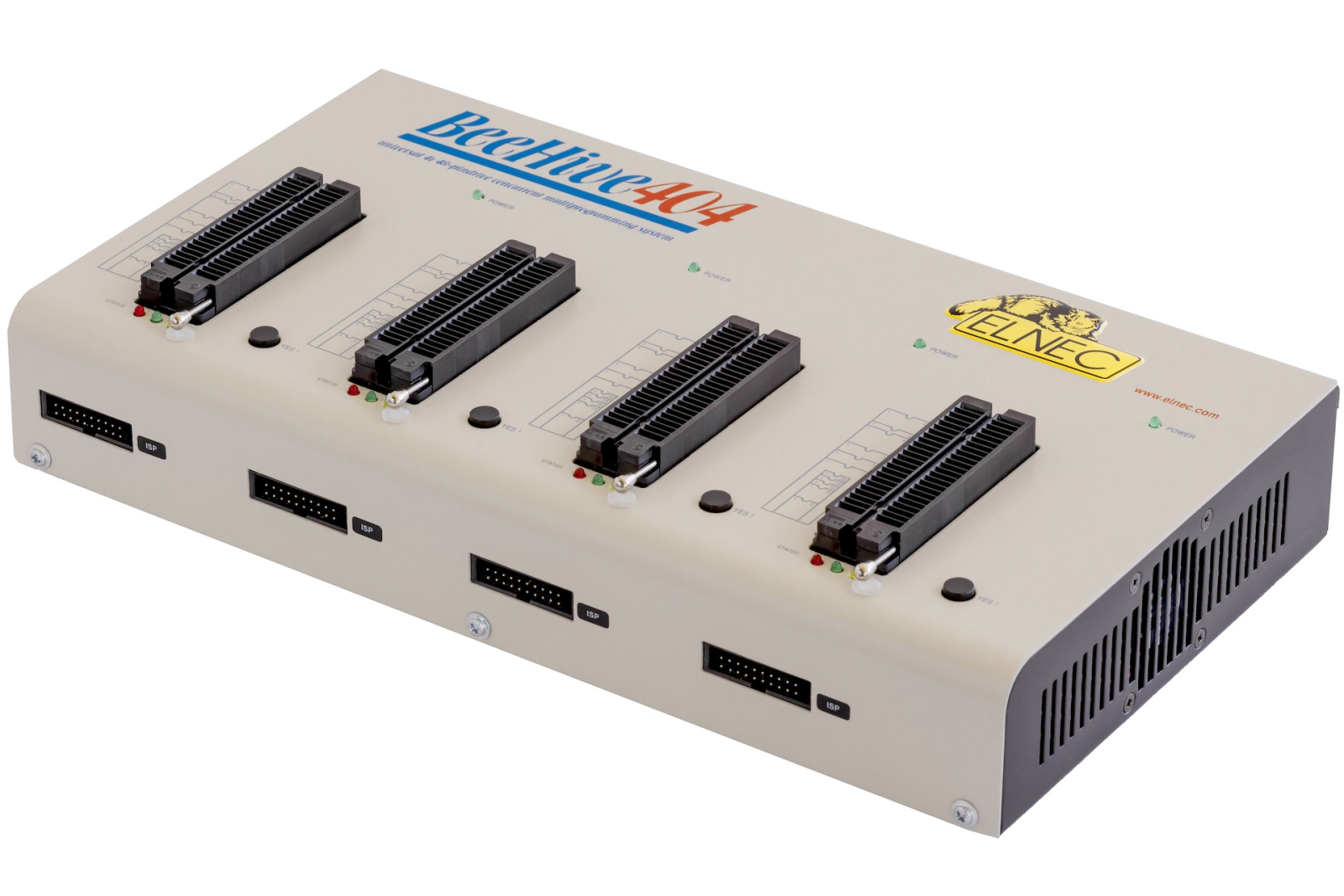
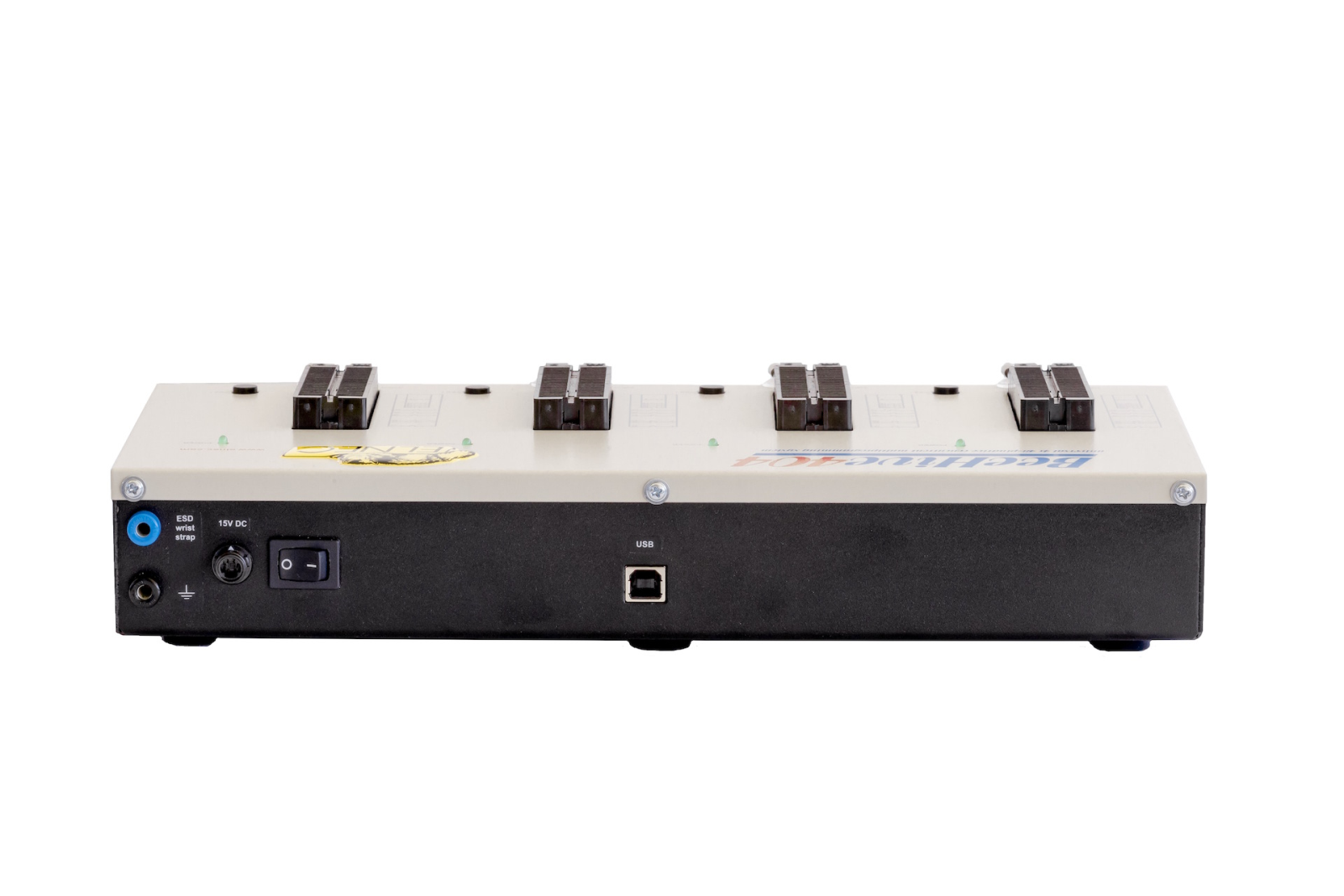
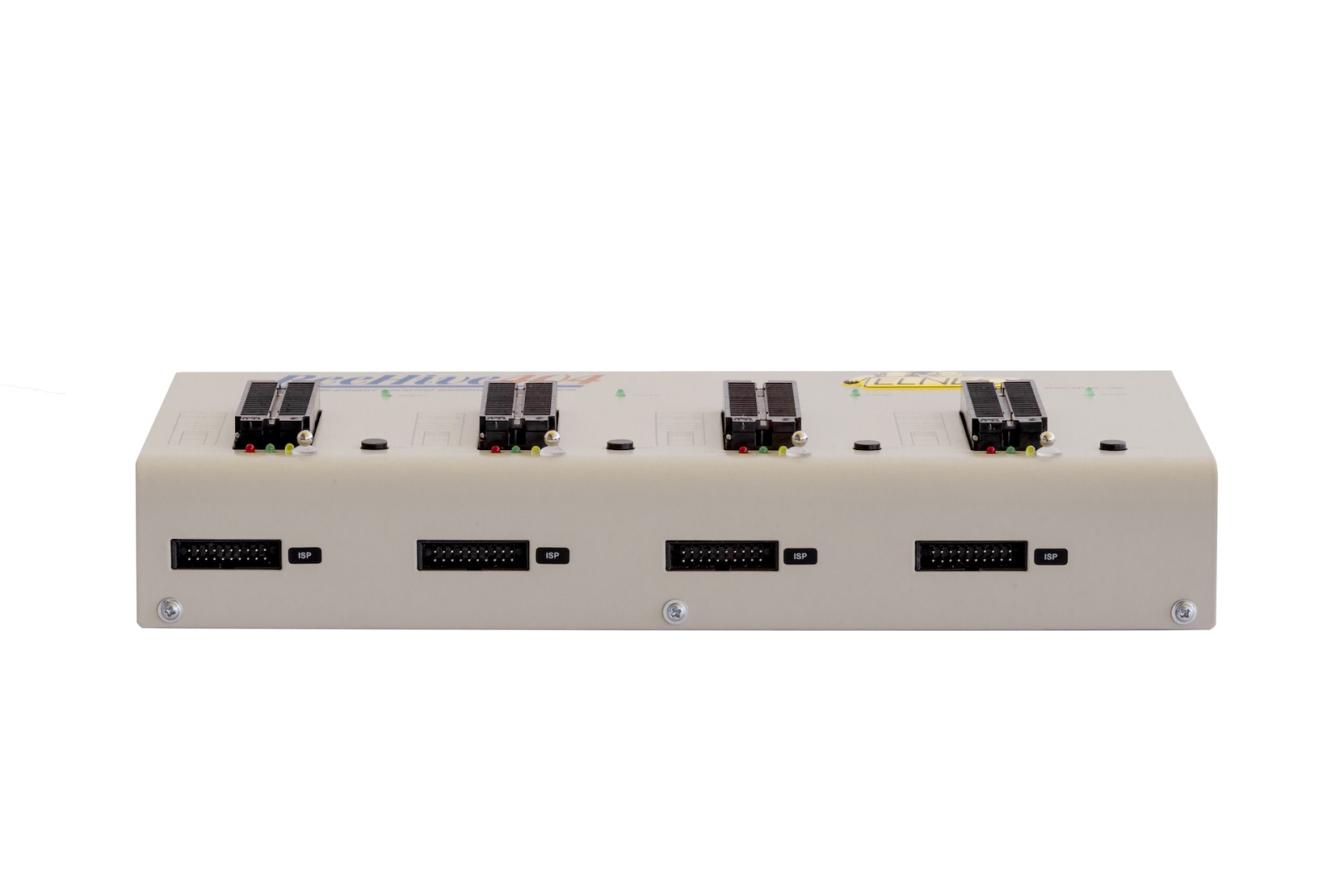
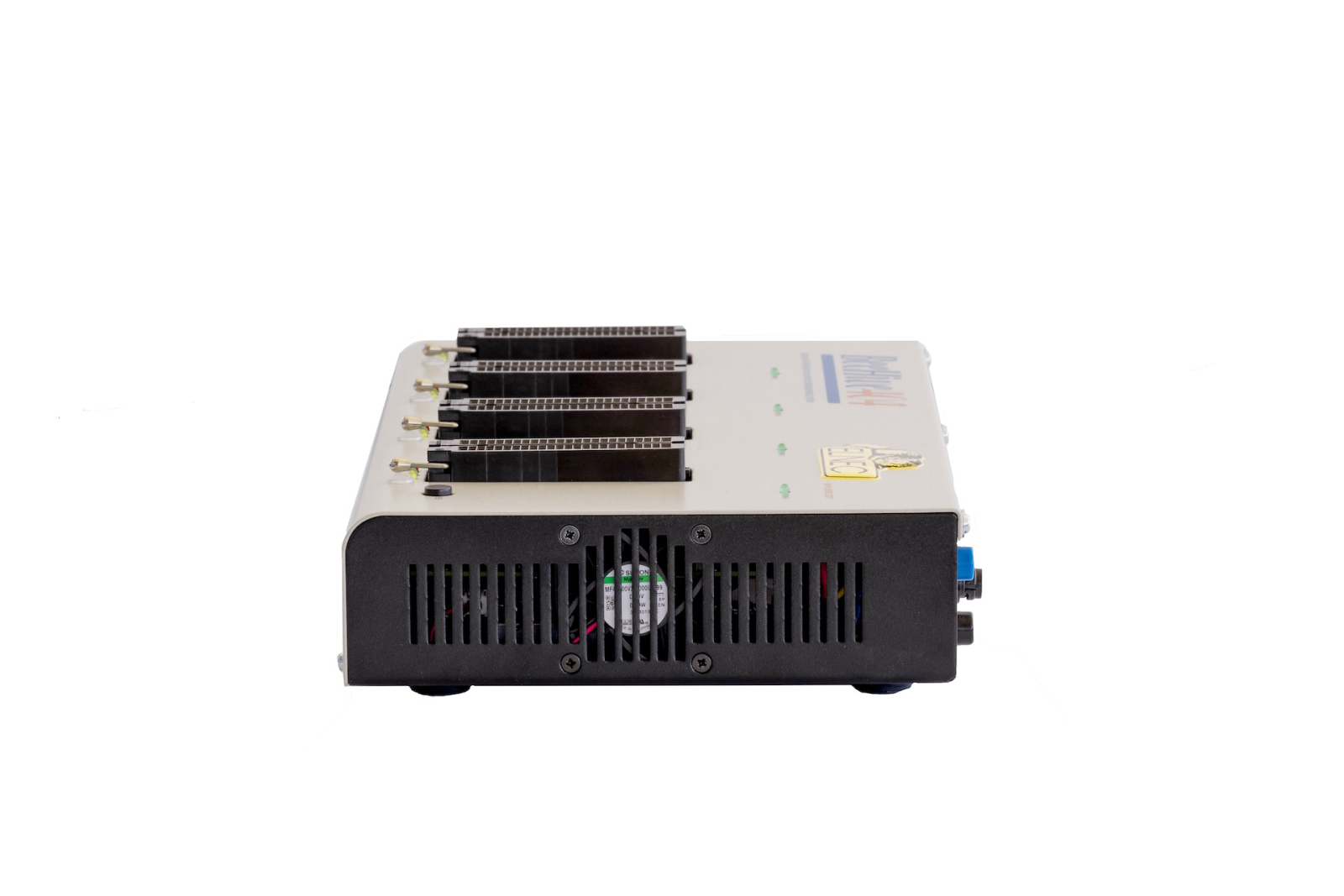
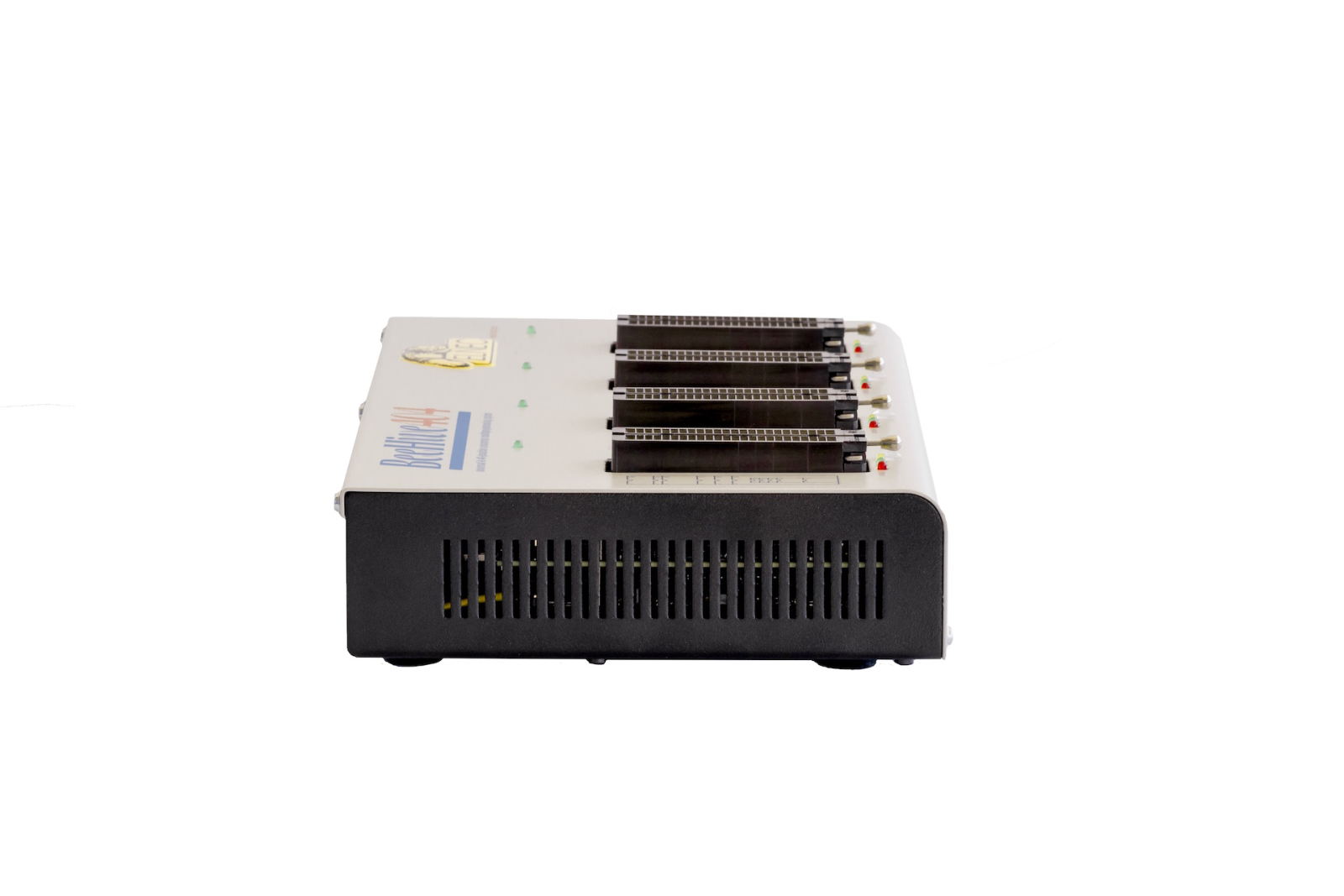
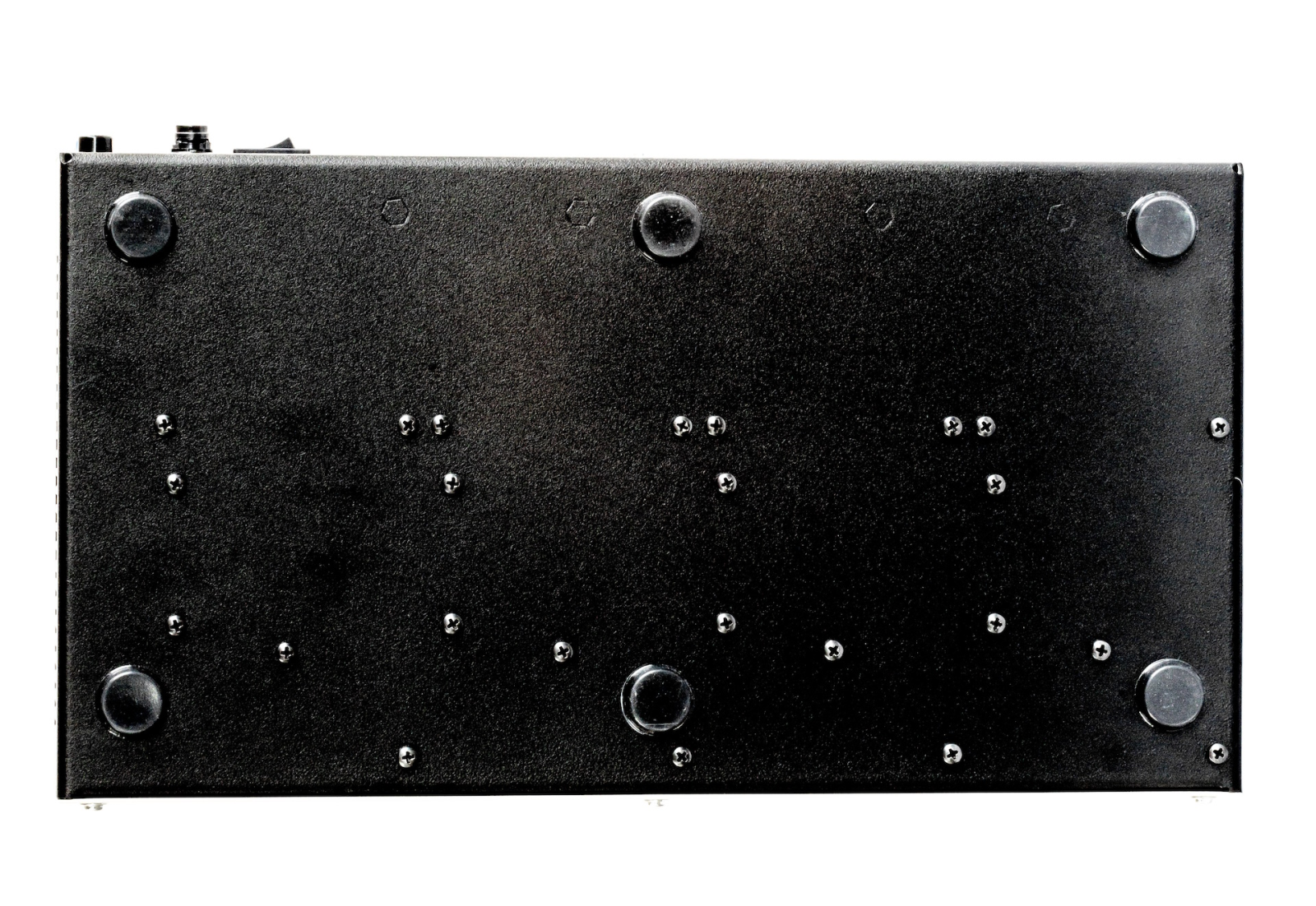
Original BeeHive404 Extremely Fast Universal 4x 48-pindrive Programmer
Item No. EP076
In Stock.
History sold.
0 out of 50 global ratings
- 5 stars:0%
- 4 stars:0%
- 3 stars:0%
- 2 stars:0%
- 1 stars:0%
ratings| answered questions
0 out of 5
0 global ratings
- 5 stars:0%
- 4 stars:0%
- 3 stars:0%
- 2 stars:0%
- 1 stars:0%
Latest price:$3999.00
Buy Now:
$
3899.00
3% off
Fast Shipping & No Tax
US Check: Ship from US
UK Check: Ship from UK
EU Check: Ship from Czech
Looking for help? Please contact Whatsapp: +86-19892834301
- Shipping:
-
Free Shipping
Express Shipping ServiceEstimated delivery time: 3-5 Working Days
- Quantity:
- Stock:32

- Weight:
- 4 KG
- Package:
Related Download Files
Share
Original BeeHive404 Extremely Fast Universal 4x 48-pindrive Programmer
Short description:
142186 supported devices from 492 by manufacturers version of SW (4.16)
four independent universal programming sites (BeeProg4 based) in one unit
Programming speed 5MB/s for capable devices (4/2026) with outlook to be increased considerable
48-pins powerful pindriver for programming ancient, past, present and future devices
in-circuit programming capability through ISP connector
ESD protection on each pin of the sockets
USB (up to 480 Mbit/s) interface to PC
comfortable and easy to use control program, works with all versions of MS Windows from Windows 10 to Windows 11 (32-bit and 64-bit) running at x86/x64 compatible PC
unique quick reaction to customer's needs - software update can be ready within a day from request, by OnDemand software
made in Slovakia
warranty - 3 years
approved by CE laboratory to meet CE requirements
Optional accessories:
Programming Adapters (Socket Converters)
Accessories: Calibration test pod, Vacuum pen, …
Features
GENERAL
BeeHive404 programmer is 100% replacement of BeeHive204 programmer with improved hardware - better pindriver for low-voltage devices, higher programming speed and even more powerful programming core (FPGA) inside.
BeeHive404 programmer accepts all programming adapters available equally as BeeHive204 programmer.
BeeHive404 is extremely fast universal 4x 48-pindrive concurrent multiprogramming system designed for high volume production programming with minimal operator effort. The chips are programmed at near theoretical maximum programming speed.
BeeHive404 consists of four independent isolated universal programming sites, based on the BeeProg4 programmer hardware. Therefore the programming sites can run asynchronously (concurrent multiprogramming programming mode). Each programming site starts programming at the moment the chip is detected to be inserted in the socket properly - independently on the status of other programming sites. It result, three programming sites works, while you replace the programmed chip at the fourth.
Modular construction of hardware - the programming sites works independently - allows for continuing operation when a part of the circuit becomes inoperable. It also makes service quick and easy.
Hands-free operation: asynchronous and concurrent operation allows a chip to begin programming immediately upon insertion of a chip. The operator merely removes the finished chip and inserts a new chip. Operator training is therefore minimized.
Supports all kinds of types and silicon technologies of today and tomorrow programmable devices without family-specific module. You can be sure the next devices support require the software update and (if necessary) simple package convertor (programming adapter), therefore the ownership cost are minimized.
Using built-in in-circuit serial programming (ISP) connector, the programmer is able to program ISP capable chips in circuit.
Provides very competitive price coupled with excellent hardware design for reliable programming. Probably best "value for money" programmer in this class.
Very fast programming due to high-speed FPGA driven hardware and execution of time-critical routines inside of the programmer. As a result, when used in manually-operated production, this one-socket-programmer in most cases waits for an operator.
BeeHive404 interfaces with any IBM PC compatible personal computers, running MS Windows OS, through USB (2.0 HighSpeed) port.
Banana jack for ESD wrist straps connection to easy-to-implement the ESD protection control.
HARDWARE (valid for each programming site)
FPGA based totally reconfigurable 48 powerful TTL pindrivers provide H/L/pull_up/pull_down and read capability for each pin of socket. Advanced pindrivers incorporate high-quality high-speed circuitry to deliver signals without overshoot or ground bounce for all supported devices. Improved pin drivers drivers operate down to 1.8V and provide capability for analog voltage measurement on each pin independently.
The programmer performs device insertion test based on the check of proper signal path between the programmer and programmed device before it programs each device. In dependence on programming configuration it identifies missed or poor contact between programmed device and the ZIF socket of the programming adapter (or the programmer directly), missed or poor contact between the programming adapter and the programmer and it's also able to indicate wrong position of device in the ZIF socket of the programmer / the programming adapter (moved, rotated, backward oriented). These capabilities, supported by overcurrent protection and signature-byte check help prevent chip damage due to operator error.
The selftest capability allow to run diagnostic part of software to thoroughly check the health of the programmer.
Built-in protection circuits eliminate damage of programmer and/or programmed device due to environment or operator failure. All the inputs of the BeeProg4 programmer, including the ZIF socket, connection to PC and power supply input, are protected against ESD up to 15kV.
When programming specification require, the (BeeProg4) programmer performs programming verification at the marginal level of supply voltage, which, obviously, improves programming yield, and guarantees long data retention.
Various programming adapters are available to handle device in PLCC, JLCC, SOIC, SDIP, SOP, PSOP, SSOP, TSOP, TSOPII, TSSOP, QFP, PQFP, TQFP, VQFP, QFN (MLF), SON, BGA, EBGA, FBGA, VFBGA, UBGA, FTBGA, LAP, CSP, SCSP, LQFP, MQFP, HVQFN, QLP, QIP and other packages.
SOFTWARE (production mode control - using PG4UWMC software)
This part of the software is focused to the easy monitoring of high-volume production operations.
Operator-friendly control software combines many powerful functions with ease of use. Graphic user interface provide overview of all important activities result without burden of operator with non-important details.
There is used a project file to control the BeeHive404 multiprogramming system. Project file contains user data, chip programming setup information, chip configuration data, auto programming command sequence, etc. Therefore the operator error is minimized, because the project file is normally created and proofed by engineering and then given to the operator. The optional protected mode can be set for project file to avoid a unwanted changes of the project file.
Each chip may be programmed with different data such as serial number, configuration and calibration information.
SOFTWARE (programming modules driver, engineering mode control - using PG4UW software)
After successful verification of programmed device, all data/settings for the project have to be saved into the project file for future usage and in case of multiprogrammer as datafile for the production mode control software.
To keep restricted availability of data/settings in project file, project file usage can be prohibited by password protection.
As a prevention of operator mistake (or "mistake"), it can be set "protected mode" in project file, which disallow to use other operation with programmed device than set by creator of the project file - and it also disable to view data/settings of this project file.
Advanced project file integrity check discover whatever data change in project file, due to media failure or tampering with the project file.
Each programming sitee is driven by an easy-to-use control program with pull-down menu, hot keys and on-line help. Selecting of device is performed by its class, by manufacturer or simply by typing a fragment of vendor name and/or part number. It is the same years-proven software, as is used for all other Elnec single-site programmers.
Standard device-related commands (read, blank check, program, verify, erase) are boosted by some test functions (insertion test, connection check, signature-byte check), and some special functions (autoincrement, production mode - start immediately after insertion of chip into socket).
All known data formats are supported. Automatic file format detection and conversion during loading of file. There is possible to use Jam files (JEDEC standard JESD-71) and VME files
The rich-featured auto-increment function enables one to assign individual serial numbers to each programmed device - or simply increments a serial number, or the function enables one to read serial numbers or any programmed device identification signatures from a file.
The software also provide a many information about programmed device. As a special, the drawings of all available packages are provided. The software provide also explanation of chip labelling (the meaning of prefixes and suffixes at the chips) for each supported chip.
Care for the customers
New Device Request (AlgOR Service)
It is important to remember, that a support of most of the new devices requires only a software update, because the BeeHive404 is based on the truly universal (BeeProg4) programmer. With our prompt service you often can have a new device added to the list of supported devices within hours! See AlgOR (Algorithm On Request) service and OnDemand software for details.
This service is in almost all cases free. Please note, however, that we can ask the customer to share the costs, if development and manufacturing costs are too high.
Free life-time software updates
Most current version of Elnec programmers software, with support of newly added devices, is available for free here
Free Technical support
Elnec provide customers technical support (WebForm/e-mail based) available usually within a few hours, or at the latest, the next working day.
Keep-Current service
Keep-Current service means, that Elnec ships the latest version of programmer software and updated user documentation (Keep-Current package) to the customer . The Keep-Current service is your hassle-free guarantee that you are achieving the highest quality programming on Elnec programmers, at minimal cost.
Prompt delivery
Combination of extensive stock, flexible manufacturing and shipping of Elnec products by world class carriers (like DHL) warrants customers very fast and secure delivery of ordered Elnec products. Products ordered before 10 a.m. (CET) will be dispatched the same working day (if products are in stock and the payment is done by Online payment (CardPay, PayPal).
Warranty
Advanced design of the BeeHive404 production programmer, including protective circuits, original brand components, careful manufacturing and burning-in allow us to provide a three-year warranty on parts and workmanship of the programmer (limited 25 000-cycle warranty on ZIF sockets).
Elnec provides free shipping of programmer repaired under warranty back to customers worldwide. The warranty is valid from the date of purchase.
Preferential handling of repair requests ensures registration of the product that should be done within 60 days from the date of purchase Product registration.
Specification (BeeHive404 multiprogramming system)
4x universal programming site (4x 48-pin DIL ZIF sockets), BeeProg4 programming core based
operation result LEDs, LED power
USB 2.0 high-speed compatible port
external power supply unit: operating voltage 100-240V AC, Output voltage: 15V/6A
protection against surge and ESD on power supply input
banana jack for ESD wrist straps connection
banana jack for connection to ground
Specification (valid for each programming site)
Hardware specification
Base unit, DACs
USB 2.0 high-speed compatible port, up to 480 Mbit/s transfer rate
on-board intelligence: powerful microprocessors and FPGA based state machine
three D/A converters for VCCP, VPP1, and VPP2, controllable rise and fall time
VCCP range 0..7V/1A
VPP1, VPP2 range 0..26V/1A
selftest capability
protection against surge and ESD on power supply input
banana jack for ESD wrist straps connection
banana jack for connection to ground
ZIF socket, pindriver
48-pin DIL ZIF (Zero Insertion Force) socket accepts both 300/600 mil devices up to 48-pin
pindrivers: 48 universal
VCCP/VPP1/VPP2 can be connected to each pin
perfect ground for each pin
each pin supports independent analog voltage measurement
FPGA based TTL driver provides H, L, CLK, pull-up, pull-down on all pindriver pins
analog pindriver output level selectable from 1.2V up to 26V
current limitation, overcurrent shutdown, power failure shutdown
ESD protection on each pin of socket (IEC1000-4-2: 15kV air, 8kV contact)
continuity test: each pin is tested before every programming operation
ISP connector
20-pin male type with missinsertion lock
6 TTL pindrivers, provides H, L, CLK, pull-up, pull-down; level H selectable from 1.8V up to 5V to handle all (low-voltage including) devices.
each TTL pindriver pin supports independent analog voltage measurement
1x VCCP voltage (range 2V..7V/100mA), can be applied to two pins
programmed chip voltage (VCCP) with both source/sink capability and voltage sense
1x VPP voltage (range 2V..25V/50mA), can be applied to six pins
target system supply voltage (range 2V..6V/250mA), precision of settings +- 5%
ESD protection on each pin of ISP connector (IEC1000-4-2: 15kV air, 8kV contact)
two output signals, which indicate state of work result = LED OK and LED Error (active level: min 1.8V)
input signal, switch YES! equivalent (active level: max 0.8V)
Software
Algorithms: only manufacturer approved or certified algorithms are used. Custom algorithms are available for an additional fee.
Algorithm updates: software updates are available regularly, approx. every 4 weeks, free of charge. OnDemand version of software is available for highly needed chips support and/or bugs fixes. Available nearly daily, depending on requests.
Main features: revision history, session logging, on-line help, device and algorithm information.
Device operations
standard:
intelligent device selection by device type, manufacturer or typed fragment of part name
automatic ID-based selection of EPROM/Flash EPROM
blank check, read, verify
program
erase
configuration and security bit program
illegal bit test
checksum
interpret the Jam Standard Test and Programming Language (STAPL), JEDEC standard JESD-71
interpret the VME files compressed binary variation of SVF files
interpret the SVF files (Serial Vector Format)
interpret the Actel STAPL Player files
security:
insertion test
contact check
ID byte check
special:
production mode (automatic start immediately after device insertion)
multi-project mode
lot of serialization modes (more type of incremental modes, from-file mode, custom generator mode)
statistic
count-down mode
Buffer operations
view/edit, find/replace
fill/copy, move, byte swap, word/dword split
checksum (byte, word)
print
File load/save
no download time because programmer is PC controlled
automatic file type identification/recognition
Supported file formatsunformatted (raw) binary
HEX: Intel, Intel EXT, Motorola S-record, MOS, Exormax, Tektronix, ASCII-SPACE-HEX,, ASCII HEX, Renesas Consolidated HEX
Altera POF, JEDEC (ver. 3.0.A), eg. from ABEL, CUPL, PALASM, TANGO PLD, OrCAD PLD, PLD Designer ISDATA, etc.
JAM (JEDEC STAPL Format), JBC (Jam STAPL Byte Code), STAPL (STAPL File) JEDEC standard JESD-71
VME (ispVME file VME2.0/VME3.0)
SVF (Serial Vector Format revision E)
STP (Actel STAPL file)
Device support
Programmer, in ZIF socket:
Parallel NAND Flash: 3D Plus 3DFNxxx, All-Flash AFAxxx, Alliance Memory AS9Fxxx, AMD AM30LVxxx, ATO Solution AFNDxxx, MST5xxx, Axia Memory Tech. AX20xxx, Chipsip CT49xxx, Deutron Electr. ASUxxx, Dosilicon FMNxxx, DSNDxxx, Eon Silicon Sol. EN27xxx, ESIGMA ES27xxx, ES71xxx, ESMT F59xxx, FM6xxx, Flexxon FHNDxxx, Fidelix FMNxxx, FORESEE FS33xxx, FSNxxx, Fudan Microelect. FM29xxx, GigaDevice GD9xxx, MD5Nxxx, GSTO GSSxxx, Hana Micron HM34xxx, HeYangTek HYNxxx, ICMAX IMSxxx, ISSI IS34xxx, IS35xxx, Intel JS29Fxxx, Jeju Semicoductor JS27xxx, JSFxxx, Kingston Techn. KSLxxx, KIOXIA (ex Toshiba) TC58xxx, TH58xxx, TY8xxx, TY9xxx, Macronix MX30xxx, MX60xxx, MX63xxx, Micron MT29Axxx, MT29Cxxx, MT29Fxxx, MT29Gxxx, MT29Rxxx, Micron (ex Numonyx ex STMicroelectronics) NANDxxx, MIRA P1Uxxx, PSUxxx, NANYA NM1xxx, NeuMem NM9Fxxx, Paragon PN61xxx, PowerFlash A1Uxxx, ASUxxx, FSUxxx, Samsung K5xxx, K9xxx, KM29Nxxx, KFGxxx, KFMxxx, SK Hynix H27xxx, HY27xxx, H8xxx, H9xxx, HYCxxx, HYDxxx, HYGxxx, SkyHigh (ex Cypress ex Spansion) S34Mxxx, Spansion S19MNxxx, S30Mxxx, S76xxx, Spectek FxxL41Axx, FxxL41Bxx, FxxL51Axxx, FxxL52Axxx, FxxM29Bxxx, FxxM40Axxx, FxxM49Axxx, UnilC SCNxxx, VDATA VDxxx, WeForce CT49xxx, Winbond W29Nxxx, W71xxx, XTX PN61xxx, XT27xxx, XT61xxx, YuXin Semicond. YX21xxx, Zentel A5Uxxx, Zetta ZDNDxxx, LBA-NAND Toshiba THGVNxxx
Serial NAND flash: All-Flash AFAxxx, Alliance Memory AS5Fxxx, ATO Solution ATOxxx, Auton Technology 830Axxx, BIWIN BWxxx, Dosilicon DS35xxx, Etron Technology EM73xxx, EM78xxx, ESMT F50xxx, Fidelix FM35xxx, FORESEE FS35xxx, Fudan Microelect. FM25xxx, GigaDevice GD5Fxxx, GSTO GSSxxx, GTSxxx, Fudan Microelect. FM25xxx, HeYangTek HY25xxx, HYFxxx, HYLxxx, HUYANG 5Fxxx, ISSI IS37xxx, Jeju Semicoductor JS28xxx, Macronix MX31xxx, MX35xxx, MEMORITEK MK60xxx, Micron MT29Fxxx, MK Founder MKSxxx, Paragon PN26xxx, SiliconGo SGMxxx, SkyHigh S35xxx, SS SS25xxx, UnilC SCNxxx, UNIM UM19xxx, TX25xxx, Winbond W25Nxxx, XINCUN XCSPxxx, XTX PN26xxx, XT26xxx, YuXin Semicond. YX25xxx, Zentel ANVxxx, Zetta ZD35xxx, ZTE ZX29xxx
HyperFlash: Cypress/Spansion/ISSI S26KL, S26KS series, Cypress/Spansion S26HL, S26HS series
eMMC: Flexxon FEMCxxxxxx, Greenliant GLS85VMxxxxx, ISSI IS22xxxx, Kingston EMMCxxx, KIOXIA (ex Toshiba) THGBMxxxxxxxxxx, Micron MTFCxxxxxx, Phison PTExxxxx, Samsung KLMxxxxxxx, SanDisk SDINxxxx, SK Hynix (ex Hynix) H26Mxxxxxxxx, Swissbit SFEMxxxxxxxxxxxxxxxxx series
eMCP: Micron MT29xZZZxxxxxxxx
eSD: XTX Technology XTSDxxGLGxxx, All-Flash SDVxxxMxxxxx series
Memory Cards: MMC, SD, SDHC, SDXC series
Multi-chip devices: NAND+RAM, NOR+RAM, NOR+NOR+RAM, NAND+NOR+RAM
Serial NOR Flash: standard SPI, Multi I/O - Dual I/O, Quad I/O, Dual-Quad I/O, Octa I/O (25Bxxx, 25Dxxx, 25Exxx, 25Fxxx, 25Hxxx, 25Lxxx, 25Mxxx, 25Pxxx, 25Qxxx, 25Rxxx, 25Sxxx, 25Txxx, 25Uxxx, 25Vxxx, 25Wxxx, 25Xxxx, 25LW/UW/LM/UMxxx, XPxxx, 26Vxxx, 28HS/HLxxx, 35Xxxx, 45PExx, 55LX/Xxxx, 65U/Lxxx, 66L/LM/UM/UWxxx, 70FL/FSxxx, 74xxx, 77xxx, 78xxx, 79FLxxx, 98FLxxx series), DataFlash (AT45Dxxx, AT26Dxxx series)
Parallel NOR Flash: 28Fxxx, 29Cxxx, 29Fxxx, 29BVxxx, 29LVxxx, 29ALxxx, 29GLxxx, 29JLxxx, 29PLxxx, 29Wxxx, 49Fxxx series, Samsung K8Fxxxx, K8Cxxxx, K8Sxxxx, K8Pxxxx series, ...
EPROM: NMOS/CMOS, 27xxx and 27Cxxx series
EEPROM: NMOS/CMOS, 28xxx, 28Cxxx, 27EExxx series, 3D Plus 3DEExxxxxxxx
mDOC H3: SanDisk (ex M-Systems) SDED5xxx, SDED7xxx, MD2533xxx, MD2534xxx, Hynix HY23xxx
FRAM: Ramtron
MRAM: Everspin MRxxxxx8x, 3D Plus 3DMRxxxxxxxx
NV RAM: Dallas DSxxx, SGS/Inmos MKxxx, SIMTEK STKxxx, XICOR 2xxx, ZMD U63x series
Serial EEPROM: 11LCxxx, 24Cxxx, 24Fxxx, 25Cxxx, 30TSExxx, 34Cxxx, 34TSxx, 59Cxxx, 85xxx, 93Cxxx, NVM3060, MDAxxx series, SPD5118, full support for LV series, AT88SCxxx
Serial FRAM: Infineon(Cypress, Ramtron): FM25xxxxxx, RAMXEED(Fujitsu): MB85RCxxxx, MB85RSxxxx, Lapis(OKI, Rohm): MR44xxxxx, MR45xxxxx, Smart Memories: SF24Cxxx, SF25Cxxx
Serial MRAM: Everspin: MH20xxx, MH25xxx , Avalanche Tech.: AS100xxxxx, AS100xxxxx, Renesas(IDT): M30xx204xxxx
Serial NV RAM: Infineon(Cypress): CY14Mxxxx, Anvo-Systems ANV32xxxx
Serial ReRAM: RAMXEED(Fujitsu): MB85ASxxx
Configuration (EE)PROM: XCFxxx, XC17xxxx, XC18Vxxx, EPCxxx, EPCSxxx, EPCQxxx, AT17xxx, AT18Fxxx, 37LVxx
1-Wire E(E)PROM: DS1xxx, DS2xxx
Optical Transceivers: SFP, SFP+, QSFP+, XFP
PLD Altera: MAX 3000A, MAX 7000A, MAX 7000B, MAX 7000S, MAX7000AE, MAX II/G/Z, MAX V, MAX 10
PLD Intel: MAX II/G/Z, MAX V, MAX 10
PLD Lattice: ispGAL22V10x, ispLSI1xxx, ispLSI1xxxEA, ispLSI2xxx, ispLSI2xxxA, ispLSI2xxxE, ispLSI2xxxV, ispLSI2xxxVE, ispLSI2xxxVL, LC4xxxB/C/V/ZC/ZE, M4-xx/xx, M4A3-xx/xx, M4A5-xx/xx, M4LV-xx/xx, ispCLOCK, Power Manager/II, ProcessorPM, iCE40 UltraPlus, iCE40 Ultra/UltraLite, iCE40 LP/HX, CrossLink, CrossLinkPlus, Platform Manager/2, L-ASC10
PLD: Xilinx: XC9500, XC9500XL, XC9500XV, CoolRunner XPLA3, CoolRunner-II
SPLD/CPLD series: AMD, AMI, Atmel, Cypress, Gould, ICT, Lattice, National Semicond., Philips, STMicroelectronics, TI (TMS), Vantis, VLSI
FPGA: Anlogic SALELF2, SALELF3
FPGA: Intel/Altera, non-volatile key: Cyclone V, Arria 10
FPGA: Gowin LittleBee, Arora
FPGA: JingZhong Wily
FPGA: Lattice: MachXO, MachXO2, LatticeXP, LatticeXP2, ispXPGA, MachXO3, MachXO3D, MachXO5-NX
FPGA: Lattice, non-volatile key: ECP2 S-Series
FPGA: Microsemi(Actel): ProASIC3, IGLOO, Fusion, ProASICplus, SmartFusion
FPGA: Pango Compa
FPGA: Xilinx: Spartan-3AN
Clocks: Cypress, Renesas (IDT), Silicon Laboratories, Skyworks Solutions, TI(TMS)
Special chips:
Tire Pressure Monitoring: Atmel: ATA6285N, ATA6286N, Infineon: SP3x
Digital Multiphase/Power controllers/Power modules: Infineon(IR, CHiL Semiconductor): XDPE1xxxxx, TDA38xxx, IR3xxxx, CHL8xxxx, MPS: MP2xxxx, MPM54xxx, Analog Devices (Linear Technology, Maxim): ADM1xxx, ADP10xx, LTC2xxx, LTC3xxx, LTC7xxx, LTM4xxx, MAX20xxx, MAX34xxx, TI (TMS) TPS5xxxx, TPS6xxxx, UCD3xxxxx, UCD9xxxxx, Renesas(Intersil): RAA228xxx, RAA229xxx, ISL68xxx, ISL69xxx, Maxlinear(Exar): XR771xx, XRP77xx, PWM controllers: Zilker Labs ...
Capacitive Sensors: Azoteq IQSxxxx
Gama buffers: AUO, Maxim, TI, ...
SoC and modules Espressif: ESP32, ESP32-C2, ESP32-C3, ESP32-C6, ESP32-S2, ESP32-S3, ESP32-H2 series
Microcontrollers MCS51 series: 87Cxxx, 87LVxx, 89Cxxx, 89Sxxx, 89Fxxx, 89LVxxx, 89LSxxx, 89LPxxx, 89Exxx, 89Lxxx, all manufacturers, Philips LPC series
Microcontrollers Intel 196 series: 87C196 KB/KC/KD/KT/KR/...
Microcontrollers Artery: AT32F403xxx, AT32F421xxx
Microcontrollers Atmel ARM. AT91SAM7Sxx, AT91SAM7Lxx, AT91SAM7Xxx, AT91SAM7XCxx, AT91SAM7SExx series;
Microcontrollers Atmel ARM9: AT91SAM9xxx series;
Microcontrollers Atmel ARM Cortex-M3: ATSAM3Axxx, ATSAM3Uxxx, ATSAM3Nxxx, ATSAM3Sxxx, ATSAMD20, ATSAM3Xxxx series
Microcontrollers Atmel ARM Cortex-M4: ATSAM4Sxxx series
Microcontrollers Atmel/Microchip AVR 8bit/16bit: AT90Sxxxx, AT90pwm, AT90can, AT90usb, ATtiny, ATmega, ATxmega series
Microcontrollers Atmel/Microchip AVR32: AT32UC3xxxx, ATUCxxxD3/D4/L3U/L4U series
Microcontrollers Atmel/Microchip ARM Cortex-M0+: ATSAMD2x, ATSAMDA1, ATSAMC2x, ATSAMD09x, ATSAMD10x, ALSAML2x, ATSAMHAx, ATSAMR2x, ATSAMR3x series
Microcontrollers Atmel/Microchip ARM Cortex-M4: ATSAM4Sxxx, ATSAM4Ex, ATSAM4Cx, ATSAMG5x, ATSAM4LCx, ATSAM4LSx series
Microcontrollers Coreriver (Gencore): Atom 1.0, MiDAS 1.0, 1.1, 2.0, 2.1, 2.2, 3.0 series
Microcontrollers Cypress: CY7Cxxxxx, CY8Cxxxxx
Microcontrollers ELAN: EM78Pxxx
Microcontrollers EPSON: S1C17 series
Microcontrollers Explore Microelectronic: EPF01x, EPF02x series
Microcontrollers Geehy: APM32A0xx, APM32A1xx, APM32A4xx, APM32E0xx, APM32E1xx, APM32F00x, APM32F0xx, APM32F1xx, APM32F4xx
Microcontrollers Generalplus: GPM8Fxxx series
Microcontrollers GigaDevice: GD32A1xx, GD32A5xx, GD32C1xx, GD32E1xx, GD32E2xx, GD32E5xx, GD32F1xx, GD32F2xx, GD32F3xx, GD32F4xx
Microcontrollers GreenPeak: GPxxx series
Microcontrollers Infineon(Siemens): XC800, C500, XC166, C166, XC2000, XE164, TC2xx, TC3xx, TC17xx series
Microcontrollers ITE Tech. Inc.: IT5xxx, IT6xxx, IT8xxxx
Microcontrollers MDT 1xxx and 2xxx series
Microcontrollers Megawin: MG87xxx, MPC82xxx series
Microcontrollers Microchip PICmicro: PIC10xxx, PIC12xxx, PIC16xxx, PIC17Cxxx, PIC18xxx, PIC24xxx, dsPIC, PIC32xxx series
Microcontrollers Microchip AVR 8bit: AVR DA, DB, DD, DU, EA, EB, SD series
Microcontrollers Microchip ARM Cortex-M0: PIC32CM-MC, PIC32CM-JH, PIC32CM-GV series
Microcontrollers Microchip ARM Cortex-M23: PIC32CM-LE series
Microcontrollers Microchip ARM Cortex-M4: PIC32CX series
Microcontrollers MindMotion MM32F0020xxx, MM32F031xxx
Microcontrollers Motorola/Freescale/NXP: HC05, HC08, HC11, HC12, HCS08, RS08, S12, S12X, MC56F, MCF51, MCF52 series, Kinetis (K, KL, KE, KV, KM, KEA), Qorivva/Power Architecture xPC5xxx, S32K, MWCTxxxx
Microcontrollers Myson Technology (Myson Century): MTV2xx, 3xx, 4xx, 5xx, CS89xx series
Microcontrollers National: COP8xxx series
Microcontrollers NEC: uPD70Fxxx, uPD78Fxxx series
Microcontrollers Novatek: NT68xxx series
Microcontrollers Nordic Semiconductor: nRF24LExxx, nRF24LUxxx, nRF315xx, nRF51xxx, nRF52xxx, nRF54xxx, nRF91xxx Flash and OTP series
Microcontrollers Nuvoton ARM Cortex-Mx: NUC1xx, NUC2xx, M0A2xxx, M03x, M05x, M25x, M26x, M45x, M48x, Mini51, NM1xxx, NANO1xx, NUC029xxx, NDA1xx, N5xx, NPCXxxx series
Microcontrollers Nuvoton (Winbond): MS51xxx, ML51xxx, N76xxx, N78xxx, N79xxx, W77xxx, W78xxx, W79xxx, W83xxx series
Microcontrollers Nuvoton: KM101, KM103, MN1M7 series
Microcontrollers NXP (Philips) ARM Cortex-Mx: LPC11xx, LPC11xxLV, LPC11Axx, LPC11Cxx, LPC11Dxx, LPC11Exx, LPC11Uxx, LPC12xx, LPC12Dxx, LPC13xx, LPC15xx, LPC17xx, LPC18xx, LPC40xx, LPC43xx, LPC8xx, EM7xx, LPC51xx, LPC54xxx, LPC55xx, MCXAxxx series
Microcontrollers NXP (Philips) UOC series: UOCIII, UOC-TOP, UOC-Fighter (TDA1xxxx), PCF79xxx series
Microcontrollers NXP (Philips) ARM7: LPC2xxx, MPT6xx, PCD807xx, SAF7780xxx series
Microcontrollers NXP (Philips) ARM9: LPC31xx series
Microcontrollers Panasonic: MN101, MN103, MN1M7 series
Microcontrollers Pasat: TinyModule DIL40, DIL50 series
Microcontrollers Puya PY32F0xx, PY32F4xx
Microcontrollers Realtek: RTL875x, RTL876x, RTL872x, RTS54xx
Microcontrollers Scenix (Ubicom): SXxxx series
Microcontrollers Syntek: STK6xxx series
Microcontrollers Renesas: Microcontrollers Renesas: R8C/Tiny series, RX series, uPD70Fxxx, uPD78Fxxx series, RL78 series, R32C series, H8 series, H8S series, H8 Tiny series, SH series, M16C series, Synergy series, RA series
Microcontrollers SyncMOS: SM39xxx, SM59xxx, SM73xxx, SM79xxx, SM89xxx series
Microcontrollers & Programmable System Memory STMicroelectronics: uPSD, PSD series
Microcontrollers STM: STM32 SFI (secure firmware install): STM32L562RET [LQFP64](SFI), STM32U575OIYxQ [WLCSP90](SFI)
Microcontrollers STM (ex SGS-Thomson): BlueNRG, ST6xx, ST7xx, ST10xx, STR7xx, STR9xx, STM32C/F/G/H/L/U/W, STM8A/S/L series, SPC5 (Power Architecture), STM32F0xx, STM32F1xx, STM32F2xx, STM32F3xx, STM32F4xx, STM32F7xx, STM32L0xx, STM32L1xx, STM32L4xx, STM32W108
Microcontrollers Silicon Laboratories(Cygnal): C8051 series
Microcontrollers Silicon Laboratories(Energy Micro): EFM32PGxx, EFM32ZGxx, EFR32BGxx, EFR32FGxx, EFR32MGxx, EFR32ZGxx, EFM8xx, EFM32Gxx, EFM32GGxx, EFM32LGxx, EFM32TGxx, EFM32WGxx series
Microcontrollers Silicon Laboratories: SiM3Cxxx, SiM3Lxxx, SiM3Uxxx series
Microcontrollers Telink Semicond.: TLSR82xxx, TLSR83xxx, TLSR92xxx
Microcontrollers TI (Chipcon): CC11xx, CC13xx, CC24xx, CC25xx, CC26xx, CC85xx series
Microcontrollers Texas Instruments: MSP430, MSC12xx, MSPM0Cxxxx, MSPM0Gxxxx, MSPM0Lxxxx, RM4xLxxx, TMS320F, TMS570LSxxxx, CC430 series.
Microcontrollers Texas Instruments (ex Luminary Micro): LM3Sxxx, LM3Sxxxx series, LM4Fxxxx series, TM4C series
Microcontrollers Toshiba: TX00, TX03, TX04, TXZ3, TXZ3+, TXZ4 series
Microcontrollers ZILOG: Z86/Z89xxx and Z8Fxxxx, Z8FMCxxxxx, Z16Fxxxx, Z16FMCxx, ZGP323xxxxxx, ZLF645xxxxxxx, ZLP12840xxxxx, ZLP323xxxxxxx series
Microcontrollers other: EM Microelectronic, Spansion(Fujitsu), Goal Semiconductor, Hitachi, Holtek, Novatek, Macronix, Princeton, Winbond, Samsung, Toshiba, Mitsubishi, Realtek, M-Square, ASP, Coreriver, Gencore, EXODUS Microelectronic, Topro, TinyARM, VersaChips, SunplusIT, M-Square, NSING (Nations Technologies), QIXIN, Signetic, Tekmos, Weltrend, Amic, Cyrod Technologies, Ember, Ramtron, Nordic Semiconductor, Samsung, ABOV Semiconductor, Iflytek, Telink Semiconductor, Lapis, Qorvo, Luminary Micro, Energic Technology, Trident Microsystem, Fresco Logic, Parade, Ene Technology Inc, HangZhou Nano IC, ETA CHIPS, Melexis, Yuntu ...
EPROM: 2708 *1
PLD: Bipolar PALxxx *2
Programmer, through ISP connector:
Serial EEPROM: IIC series, MW series, SPI series, KEELOQ series, PLD configuration memories, UN I/O series
1-Wire EEPROM: DS1xxx, DS2xxx
Serial NOR Flash: standard SPI (25xxx), DataFlash (AT45Dxxx, AT26Dxxx)
Configuration (EE)PROM: AT17xxx, AT18Fxxx, EPCxxx, EPCSxxx, EPCQxxx, XCFxxx, XC18Vxxx
Serial FRAM: Cypress(Ramtron): FM24xxxxxx, FM25xxxxxx, Fujitsu: MB85RCxxxx, MB85RSxxxx, Lapis(OKI, Rohm): MR44xxxxx, MR45xxxxx
Microcontrollers Atmel/Microchip: AT89Cxxx, AT89Sxxx, AT89LSxxx, AT89LPxxx, AT90pwm, AT90can, AT90usb, AT90Sxxxx, ATtiny, ATmega, ATxmega series
Microcontrollers Atmel/Microchip AVR32: AT32UC3xxxx, ATUCxxxD3/D4/L3U/L4U series
Microcontrollers Atmel ARM7: AT91SAM7Sxx, AT91SAM7Xxx, AT91SAM7XCxx, AT91SAM7SExx series;
Microcontrollers Cypress: CY8C2xxxx
Microcontrollers Elan: EM78Pxxx, EM6xxx series
Microcontrollers EM Microelectronic: 4 and 8 bit series
Microcontrollers Microchip PICmicro: PIC10xxx, PIC12xxx, PIC16xxx, PIC17xxx, PIC18xxx, PIC24xxx, dsPIC, PIC32xxx series
Microcontrollers Mitsubishi: M16C
Microcontrollers Motorola/Freescale: HC08 (both 5-wire, All-wire), HC11, HC12, HCS08, S12, S12X, MC56F, MCF52, Kinetis K series
Microcontrollers Nordic Semiconductor: nRF24LExxx, nRF24LUxxx, nRF315xx, nRF5xxxx Flash and OTP series
Microcontrollers Nuvoton ARM Cortex-Mx: NUC1xx, NUC2xx, M0A2xxx, M03x, M05x, M25x, M26x, M45x, M48x, Mini51, NM1xxx, NANO1xx, NDA1xx series
Microcontrollers Nuvoton (Winbond): MS51xxx, ML51xxx series
Microcontrollers NXP (Philips) ARM7: LPC2xxx, MPT6xx series
Microcontrollers NXP (Philips) ARM Cortex-Mx: LPC11xx, LPC11xxLV, LPC11Axx, LPC11Cxx, LPC11Dxx, LPC11Exx, LPC11xxLV, LPC11Uxx, LPC12xx, LPC12Dxx, LPC13xx, LPC17xx, LPC18xx, LPC40xx, LPC43xx, EM7xx, LPC8xx series
Microcontrollers NEC: uPD7xxx series
Microcontrollers Philips (NXP): LPCxx series, 89xxx series
Microcontrollers Renesas: R8C/Tiny series, uPD7xxx series, RL78 series, RH850 series
Microcontrollers Realtek, M-Square
Microcontrollers Samsung: ICPZBSxxx series
Microcontrollers Scenix (Ubicom): SXxxx series
Microcontrollers Silicon Laboratories(Energy Micro): EFM32Gxx, EFM32GGxx, EFM32LGxx, EFM32TGxx, EFM32WGxx series
Microcontrollers Silicon Laboratories: EFM32PGxx, EFM32ZGxx, EFR32BGxx, EFR32FGxx, EFR32MGxx, EFR32ZGxx, EFM8xx, SiM3Cxxx, SiM3Lxxx, SiM3Uxxx series
Microcontrollers STM (ex SGS-Thomson): ST6xx, ST7xx, ST10xx, STR7xx, STR9xx, STM32F/L/W, STM8A/S/L series, SPC5 (Power Architecture)
Microcontrollers Silicon Laboratories(Cygnal): C8051 series
Microcontrollers & Programmable System Memory STMicroelectronics: uPSD, PSD series
Microcontrollers TI (Chipcon): CC11xx, CC13xx, CC24xx, CC25xx, CC26xx, CC85xx series
Microcontrollers TI: MSP430 series (both JTAG and BSL), MSC12xxx series, CC430 series, LM4F series, TM4C series, MSPM0Cxxxx, MSPM0Gxxxx, MSPM0Lxxxx series
Microcontrollers ZILOG: Z8Fxxxx, Z8FMCxxxxx, Z16Fxxxx series, ZLF645x0xx
Microcontrollers other: Realtek, M-Square, Luminary Micro, Qorvo
Various PLD (also by Jam/VME/SVF/STAPL/... Player/JTAG support):
Altera: MAX 3000A, MAX 7000A, MAX 7000B, MAX 7000S, MAX 9000, MAX II/G/Z, MAX V
Xilinx: XC9500, XC9500XL, XC9500XV, CoolRunner XPLA3, CoolRunner-IIPLD Lattice: ispGAL22xV10x, ispLSI1xxxEA, ispLSI2xxxE, ispLSI2xxxV, ispLSI2xxxVE, ispLSI2xxxVL, M4-xx/xx, M4LV-xx/xx, M4A3-xx/xx, M4A5-xx/xx, LC4xxxB/C/V/ZC/ZE, ispCLOCK, Power Manager/II, ProcessorPM
FPGA: Microsemi(Actel): ProASIC3, IGLOO, Fusion, ProASICplus, SmartFusion
FPGA: Lattice: MachXO, MachXO2, LatticeXP, LatticeXP2, ispXPGA
Notes:
2708 memories (*1) are programmed by using 2708 additional module
devices marked *2 are obsolete and some of them might require also PLD-1 additional module for programming
the complicated devices with laborious implementation might belongs to the "Paid ISP support" category
for all supported devices see DEVICE LIST.
I.C. Tester:
TTL type: 54,74 S/LS/ALS/H/HC/HCT series
CMOS type: 4000, 4500 series
Static RAM: 6116 .. 624000
User definable test pattern generation
Package support
support devices in DIP into socket of the programmer
package support includes DIP, SDIP, PLCC, JLCC, SOIC, SOP, PSOP, SSOP, TSOP, TSOPII, TSSOP, QFP, PQFP, TQFP, VQFP, QFN (MLF), SON, BGA, EBGA, FBGA, VFBGA, UBGA, FTBGA, LAP, CSP, SCSP, LQFP, MQFP, HVQFN, QLP, QIP etc.
devices in non-DIP packages up to 48 pins are supported by universal programming adapters - if it is technically possible on the BeeHive404 programmer. That means if reliability of operations when used universal programming adapter is below industrial standard, the specialized programming adapters are necessary to use.
programmer is compatible with many third-party adapters for non-DIP support
Programming speed
Notes:
It is important to say, we always use random numbers data pattern for programming speed testing. Some our competitors use "sparse" data pattern, where only few non-blank data are programmed or there are used data with only few 0 bits (FE, EF, etc.). This cheating approach can "decrease" programming time considerable. If you plan to compare, ask always which pattern they use.
The programming speed depends on PC speed only slightly, of course at condition the CPU usage is below 100%.
| Device | Size [bits] | Operation | Time | |
|---|---|---|---|---|
| K8P6415UQB (parallel NOR Flash) | 400100hx16 bit (64 Mega) | programming and verify | 16.5 sec. | |
| MT29F1G08ABAEAWP (parallel NAND Flash) | 8400000Hx8 (1 Giga) | programming and verify | 46.2 sec. | |
| THGBM3G4D1FBAIG (eMMC NAND Flash) | 2048 MB x8 (16 Giga) | programming *1 | 339 sec. | |
| QB25F640S33 (serial Flash) | 800200hx8 (64 Mega) | programming and verify | 30.9 sec. | |
| AT89LP51RD2 (microcontroller) | 10000hx8 | programming and verify | 7.4 sec. | |
| PIC32MX360F512L (microcontroller) | 80000hx8 | programming and verify | 10 sec. | |
| Conditions: PC type: Intel Core i7-12700, 2.1GHz, 32GB RAM, USB 2.0 HS, Win 11, software PG4UW v4.11 | ||||
Notes:
*1 - implementation is the same as in card readers. Verification of programming is performed by internal controller, where internal controller confirm the proper programming using status register.
General
Documentation
User manual for BeeHive404, BeeProg4, BeeProg4C programmers (PDF)
PC system requirements
Common, software related requirements
Programmer hardware related requirements:
at least one USB port, 2.0 compatible
Operation
Input voltage: 15V/6A, external power supply unit is used
power consumption max. 60W active
dimensions 323 x 175 x 65 mm (12.7 x 6.9 x 2.6 inch)
weight (programmer) 2.6kg (5.73 lb)
operating temperature 5°C ÷ 40°C (41°F ÷ 104°F)
operating humidity 20%..80%, non condensing
Package includes
Standard accessories:
BeeHive404 programmer
diagnostic pod for ZIF socket selftest of the programmer (1x)
diagnostic pod for ISP connector selftest of the programmer (1x)
ISP cable (4x)
quick guide
calibration test report
transport case
Bonus pack:
ESD wrist strap with cord and banana plug
Vacuum pen
Gift (surprise)
Additional services
Keep Current - Elnec sends to user the latest version of programmer software and updated user documentation (Keep-Current package)
AlgOR (Algorithms On Request) - add new supported devices at the customer's request
Programmer price also includes
free technical support (WebForm/e-mail based)
free life-time software update via Internet
Customer Questions & Answers
Customer Reviews
0 Stars of 5,0 Reviews.
- 5 stars:0%
- 4 stars:0%
- 3 stars:0%
- 2 stars:0%
- 1 stars:0%
Share your thoughts with other customers.
Write a reviewTop customer reviews
You may also like

-
9109825 050598A Engine Computers Controller Fits for John Deere 490E JD490E Hitachi EX120M Excavator with 6 Months Warranty
$469.006% off

-
Programmed Controller 21631327 VOE21631327 for Volvo Engine TAD1341GE TAD1342GE TAD1343GE Control Unit
$789.002% off

-
Computer Board ECU Controller 11185050 A25D A30E A35E A40E For Volvo Excavator Electronic Control Unit
$1199.005% off


-
Genuine ISM11 M11 QSX15 QSM11 Engine Controller Panel for Cummins Hyundai 3408501 3408501NX 3408501RX 4309175RX 4309175NX
$1299.003% off


- Payment:

-
Tel
+86-19892834301 -
WhatsApp
